

Five Key Moments: Hearing on Welfare Reform 30th Anniversary Shows How the Dignity of Work is Still Key to Escaping Poverty
WASHINGTON, D.C. – Witnesses shared how the dignity of work can help families overcome hardship, connect to their community, and build more independent and fulfilling lives, during a Ways and Means Work and Welfare Subcommittee hearing marking 30 years since historic, bipartisan welfare reforms in the Personal Responsibility and Work Opportunity Reconciliation Act (PRWORA) (P.L. 104-193) were signed into law in 1996. Missy Hanks of the Elm Foundation, a former Alabama social worker, described how her approach to helping families has changed since 1996. Ohio Department of Job and Family Services Director, Matt Damschroder, highlighted the state’s innovative, county-driven Benefit Bridge program. Misty Kelso of Joplin, Missouri, described overcoming poverty and addiction through work. Scott Winship of the American Enterprise Institute discussed how incremental reforms can help strengthen TANF for the families who rely on it. Their testimonies showed what three decades of results have made clear: when welfare encourages work, families are better positioned to build more independent lives.
In the early 1990s, welfare caseloads had climbed to a record 5.1 million recipients and many families were trapped in generational poverty by an open-ended “no strings attached” cash entitlement system. The 1996 reforms replaced that entitlement with the Temporary Assistance for Needy Families (TANF) program, built on work requirements and personal responsibility. The results were dramatic. Employment among single mothers rose nearly 40 percent in just four years. Today TANF serves 2.1 million people, down 85 percent from the 13.7 million it served in 1995. However, more reform is needed. TANF has not been reauthorized in two decades, and other welfare programs without strong work requirements have only grown.
The hearing examined the principles behind the success of the 1996 reforms, how those lessons can strengthen programs like the Supplemental Nutrition Assistance Program (SNAP) and Medicaid, and the reforms needed to ensure TANF continues to serve the families who need it most. Under the Working Families Tax Cuts, Republicans applied the lessons of the 1996 welfare reforms by encouraging able-bodied adults in SNAP and Medicaid to work, volunteer, or work toward education. In May, the Committee approved the Preventing Waste, Fraud, and Abuse in TANF Act to strengthen state accountability in the TANF program.
Welfare Did Far Too Much to Create Dependence: 1996 Changed That
In opening remarks, Chairman Jason Smith (MO-08) pointed to the bipartisan consensus that built TANF in the first place, and the dependence it was designed to end.
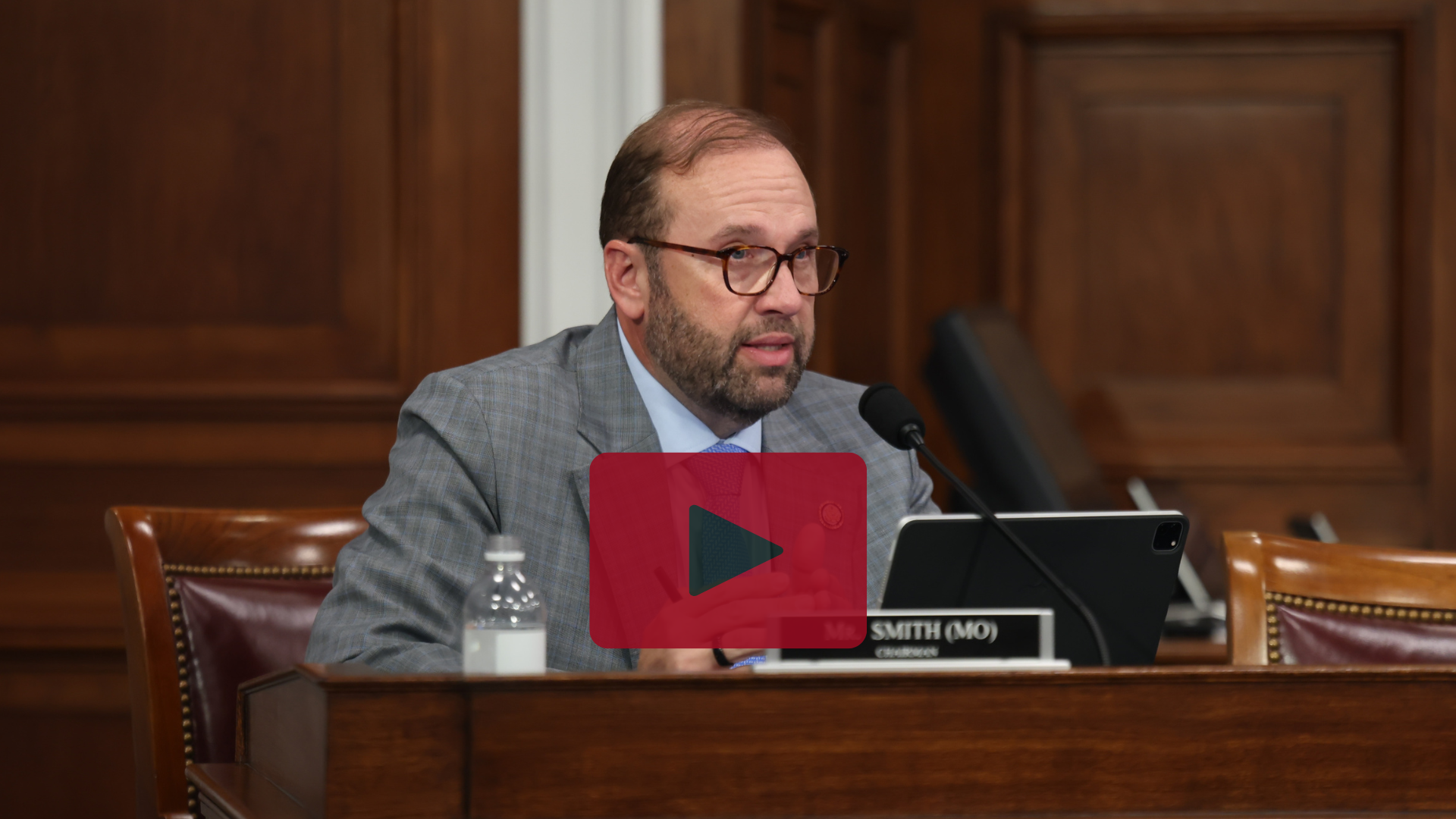
Chairman Smith (MO-08): “As we look back on the successes of the 1996 TANF reforms and the progress that has followed, we should remind ourselves why reform was needed in the first place. Prior to those reforms, we had a welfare system that did far too much to create dependence on government assistance, to trap people in these programs, and far too little to encourage those who needed our help to also experience the dignity of work and the rewards of personal responsibility that can come with it. That was, after all, why leaders in both parties, including President Clinton, knew that change was desperately needed. Today, despite what I would hope would be bipartisan agreement that work is beneficial for individuals and their families, creating that path to greater independence and self-sufficiency, we still hear a lot of concern from our Democrat colleagues that they see work requirements as a bridge too far for those receiving welfare.”
When Work Requirements Are Absent in Other Parts of Welfare, People Fall into Dependency
The 1996 reforms tied cash assistance to work. However, as Alabama social worker-turned-nonprofit-leader Missy Hanks testified, some recipients responded by simply shifting to programs that did not carry the same requirement. It is a gap Republicans closed decades later, when the Working Families Tax Cut extended work requirements to SNAP and Medicaid.
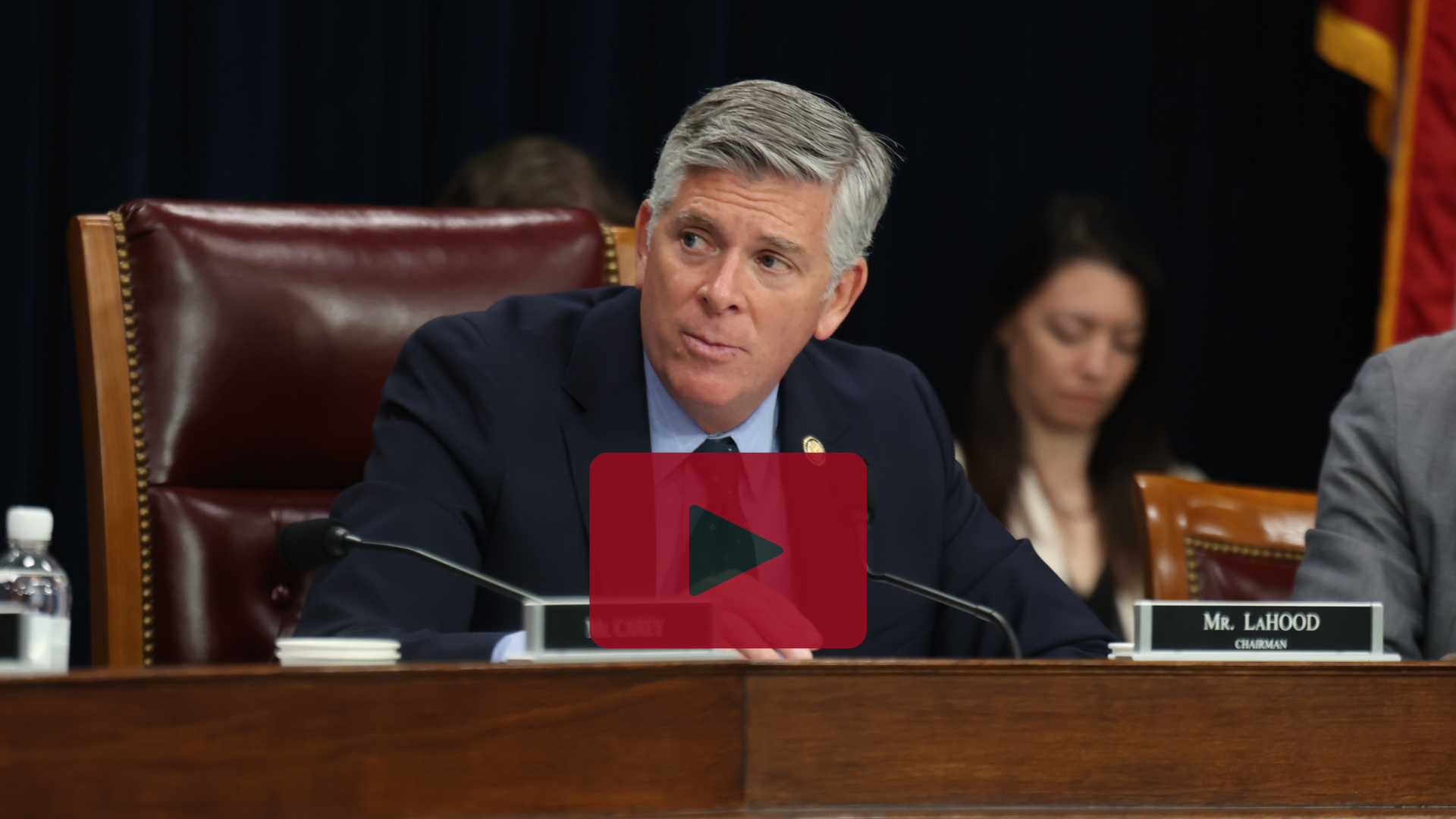
Rep. Darin LaHood (IL-16): “You shared how you started out as a social worker in 1996 and decided to leave after feeling like you weren’t actually helping anyone. Can you describe what it was like working as a social worker when these welfare reforms were happening, and how that compares to what you’re doing today at the Elm Foundation?”
Missy Hanks, Elm Foundation: “What I saw was individuals in my caseload that now had the work requirement, and lots of them found it wasn’t necessary to receive the AFDC or TANF anymore. I had clients tell me it wasn’t worth the effort going out to satisfy the work requirement — that they would rather just give up the cash payment. I felt like what we were doing wasn’t equipping people to become long-term, steering their own ship. It was generationally hurting people in my caseload. At the Elm Foundation, we’re effort based. Sometimes a client’s amount of effort might be something as simple as going out and buying a calendar to keep in their purse. We start with people where they are and help them build the confidence that they can do more.“
Turning State Flexibility into Innovation and a Pathway to Work
The 1996 reforms gave states room to experiment. Ohio has used that flexibility to pair public assistance recipients with peer mentors and financial literacy training, rather than a one size-fits-all state mandate. Ohio Department of Job and Family Services Director Matt Damschroder told the Subcommittee the program grew directly out of feedback from caseworkers in the field.
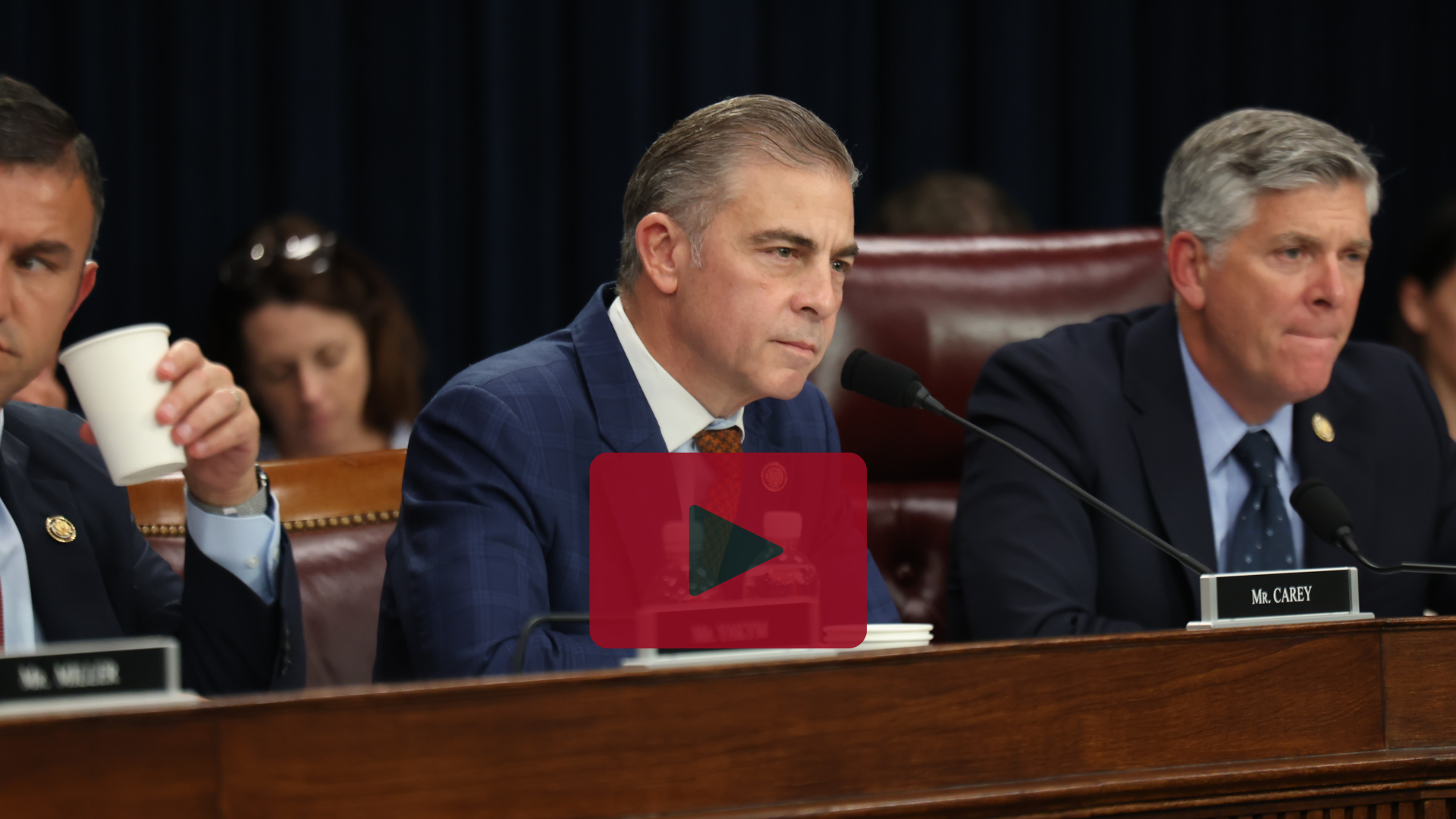
Rep. Mike Carey (OH-15): “Can you talk a little bit about ODJFS’s role in establishing the Benefit Bridge program, and what successes you’ve seen from allowing our counties — 88 in the state of Ohio — to implement it differently?”
Matt Damschroder, Director, Ohio Department of Job and Family Services: “Instead of having a top-down, one size-fits-all state program to push out to our 88 counties, we’re creating some guardrails, but letting each county tailor their service delivery to their individual residents. Individuals aren’t a program. They’re not an application. They’re a person who has individual and unique needs different from the next person. By giving the counties the flexibility and a little bit of extra state dollars, it really allows them to tailor the assistance that’s needed for that household.”
Work Means Purpose — Not Just a Paycheck
Missourian Misty Kelso testified about overcoming poverty, abuse, and addiction to rebuild her family. She told the Subcommittee that government assistance alone could not break the cycle she was in. It was work that gave her a reason to believe in herself and the confidence to transform her life.
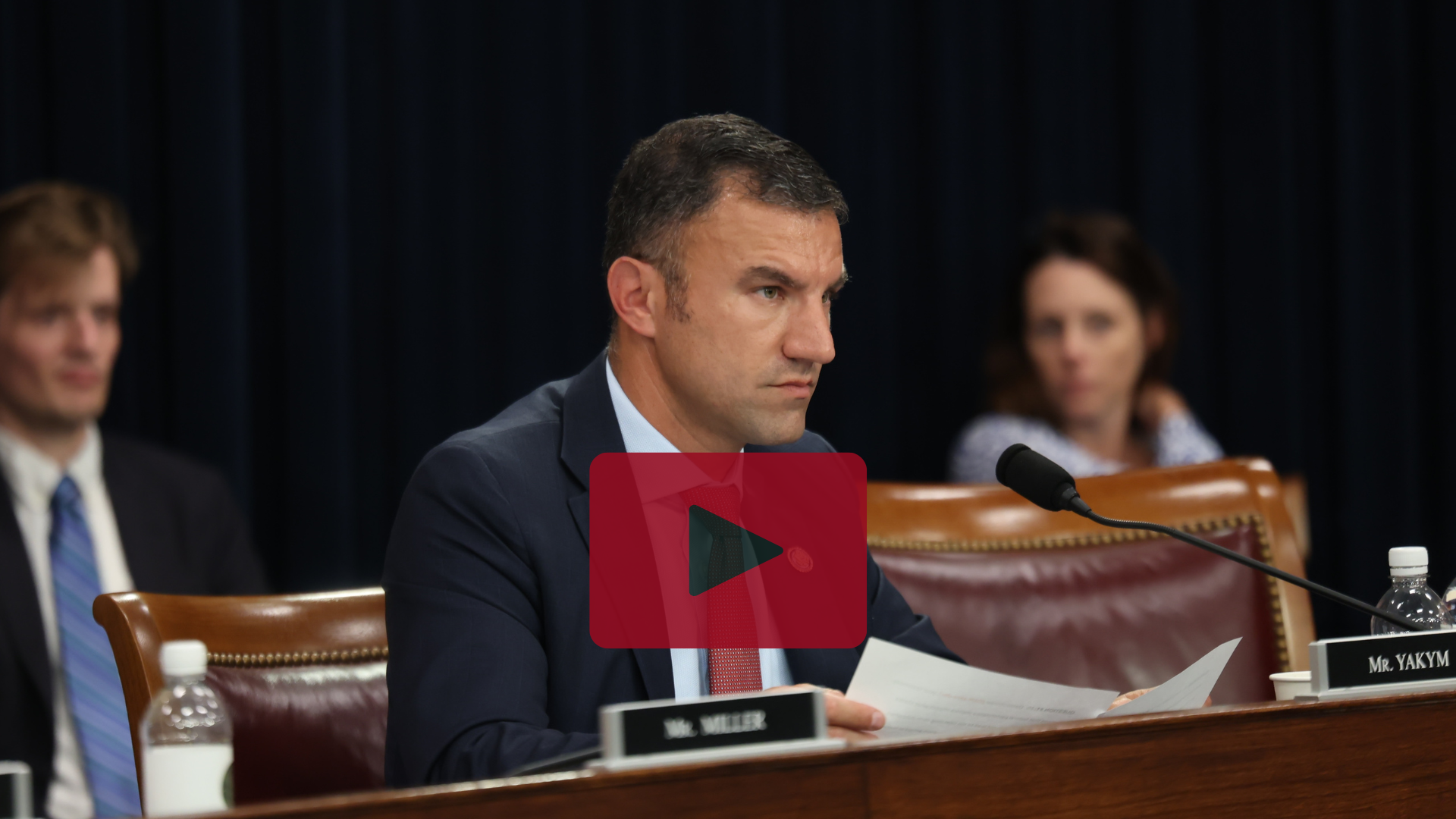
Rep. Rudy Yakym (IN-02): “You shared that government assistance could not break you out of the destructive cycle you were in, but when you started working, it gave you purpose and dignity. Would you say government assistance played a role in keeping you trapped in that destructive cycle?”
Misty Kelso, welfare reform witness: “I would say that it did keep me stuck for a long time, especially living in low income housing and being engulfed in a community that was stuck in crisis mode. Honestly, it was easier to stay on dependence without looking at the barriers of being a single mom — not having childcare, not having a car, not having community. When I started to work, I built the community that I needed to be successful today. For a long time, I saw work as just a way to survive. When I started looking at work like it gave me purpose, something inside my brain changed. It really empowered me to want to do better in all aspects of my life.”
Changes Are Needed to Strengthen Accountability in TANF and Committee Work is Already Underway
TANF has not been reauthorized in two decades. In that time, loopholes have let some states redirect federal TANF dollars away from the individuals and families the program was built to serve. One witness testified how the reforms in H.R. 8872, the Preventing Waste, Fraud, and Abuse in TANF Act, sponsored by Rep. Mike Carey (OH-15) and approved by the Committee, will help close those gaps and strengthen TANF.
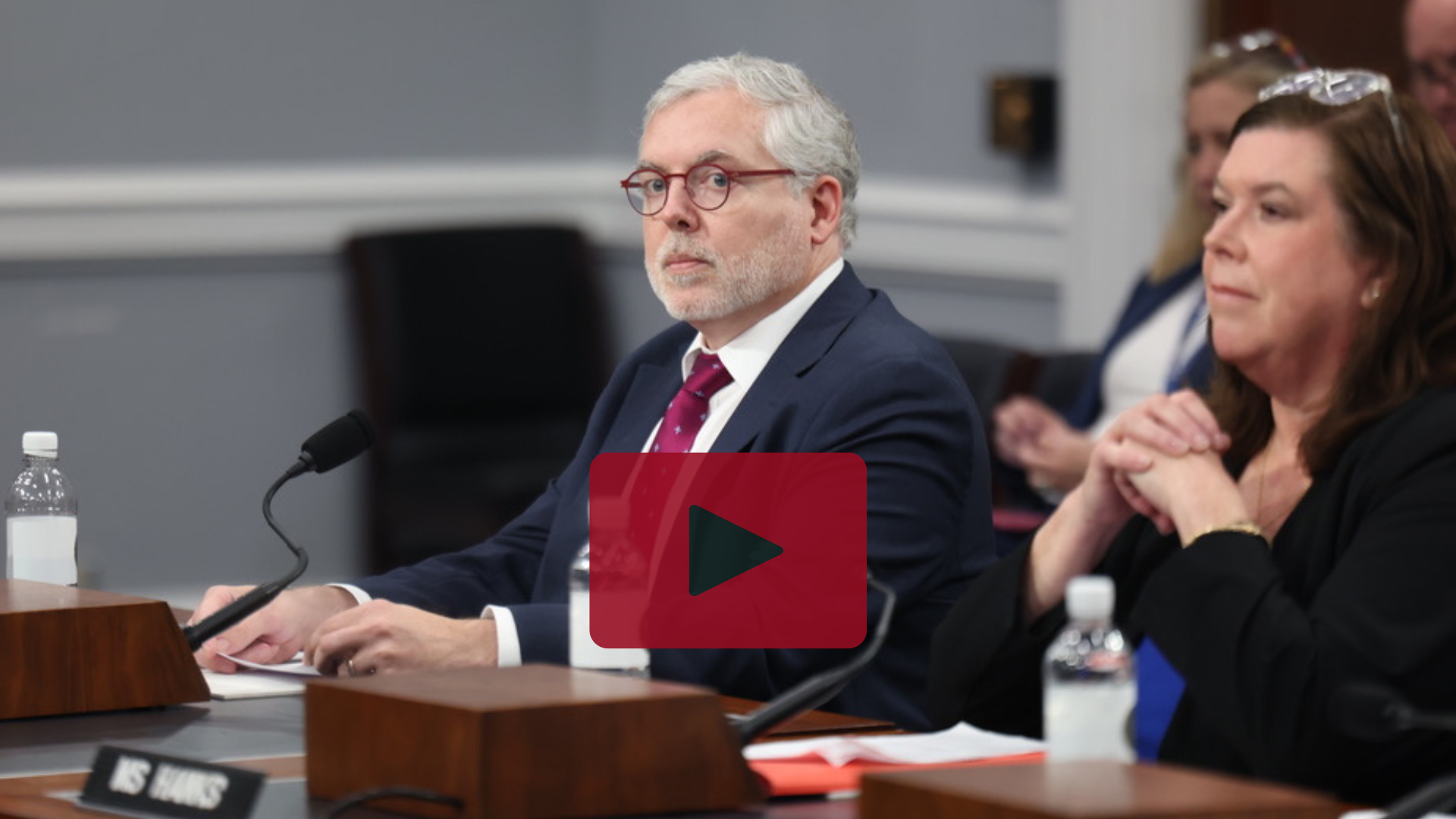
Scott Winship, Senior Fellow and Director, Center on Opportunity and Social Mobility, American Enterprise Institute: “While we wait for evidence from the new OBBBA work requirements, various incremental reforms to TANF would help beneficiaries. Representative Carey has sponsored H.R. 8872, the Preventing Waste, Fraud, and Abuse in TANF Act, along with Representatives Miller and Bean as cosponsors, and Representative Moore, which would ensure that TANF-funded benefits and services are directed to poor and near-poor families, prevent states from using federal TANF dollars to substitute for state spending, require states to spend their TANF funds within three years, and direct the Department of Health and Human Services and states to better address improper payments.”
Legal Disclaimer:
EIN Presswire provides this news content "as is" without warranty of any kind. We do not accept any responsibility or liability for the accuracy, content, images, videos, licenses, completeness, legality, or reliability of the information contained in this article. If you have any complaints or copyright issues related to this article, kindly contact the author above.
